The Chestnut Hill East Line is a SEPTA Regional Rail commuter route serving Northwest Philadelphia, including Germantown, Mount Airy, and Chestnut Hill. It is one of two rail lines serving Chestnut Hill, along with the Chestnut Hill West Line, and all stations on the route are within the City of Philadelphia.
The route follows the former Reading Company Chestnut Hill East Branch. Its oldest section opened in 1832, service to Chestnut Hill began in 1854, and electrified service started on February 5, 1933. Today, the line is owned by SEPTA and is fully grade-separated.
| Key | Information |
|---|---|
| System | SEPTA Regional Rail |
| Route | Chestnut Hill East Line, also shown as CHE |
| Service area | Germantown, Mount Airy, and Chestnut Hill in Philadelphia |
| Terminal | Chestnut Hill East |
| Stations | 14 station stops are listed for the line |
| Typical running time | About 42 to 44 minutes for the full route, depending on the service pattern |
| Weekday through service | As of 2026, most weekday trains continue through Center City to the Airport Line |
| Weekend through service | As of 2026, weekend trains continue to the Wilmington/Newark Line |
Chestnut Hill East Line Map
The Chestnut Hill East Line map shows all available stops. Click on the map to enlarge it or download the Chestnut Hill East Line map in PDF format.
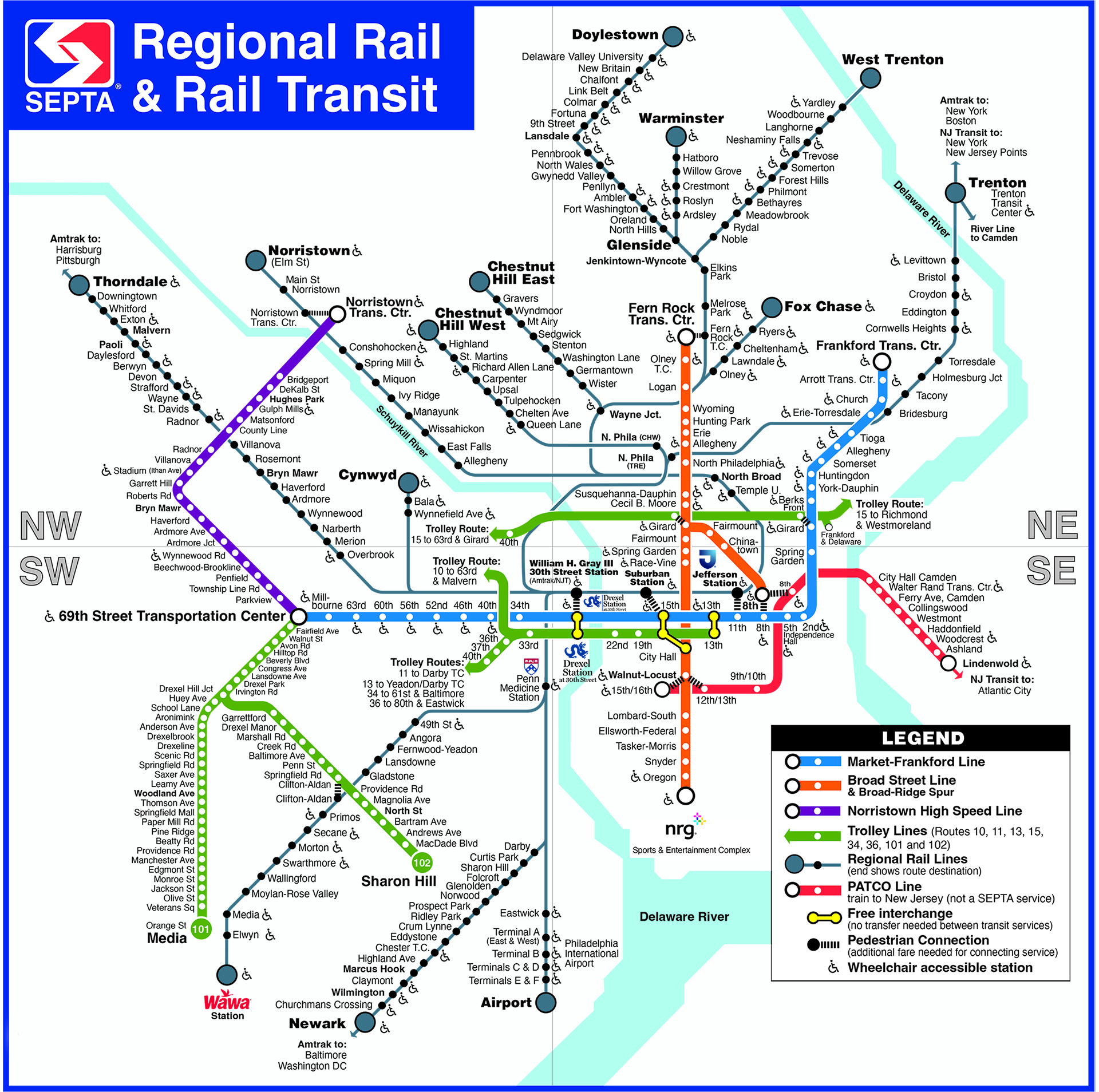
Stations on the Chestnut Hill East Line
The Chestnut Hill East Line stations list covers Center City access, Northwest Philadelphia neighborhoods, and the Chestnut Hill East terminal. After leaving the Center City Commuter Connection, the route serves Temple University, Wayne Junction, Germantown, Mount Airy-area stops, and Chestnut Hill East.
| Station | Details |
|---|---|
| Temple University | Zone C. About 2.1 miles (3.4 km) from Center City. Regional Rail connections on all lines; SEPTA City Bus routes 3, 23, and 47. |
| Tioga | Zone C. Closed in 1989. |
| Nicetown | Zone C. Closed November 14, 1988, due to fire damage. |
| Wayne Junction | Zone 1. About 5.1 miles (8.2 km) from Center City. SEPTA City Bus routes 2, 23, 53, and 75. |
| Fishers | Zone 1. Closed October 4, 1992. |
| Wister | Zone 1. About 6.1 miles (9.8 km) from Center City. SEPTA City Bus route 41. |
| Wingohocking | Zone 1. About 6.5 miles (10.5 km) from Center City. |
| Germantown | Zone 1. About 6.8 miles (10.9 km) from Center City. SEPTA City Bus routes 26, 41, and K. |
| Walnut Lane | Zone 2. About 7.7 miles (12.4 km) from Center City. |
| Washington Lane | Zone 2. About 7.8 miles (12.6 km) from Center City. SEPTA City Bus route 81. |
| Stenton | Zone 2. About 8.6 miles (13.8 km) from Center City. SEPTA City Bus route 18. |
| Gorgas | Zone 2. About 8.7 miles (14.0 km) from Center City. |
| Sedgwick | Zone 2. About 8.9 miles (14.3 km) from Center City. SEPTA City Bus route 71. |
| Mount Airy | Zone 2. About 9.3 miles (15.0 km) from Center City. |
| Mermaid | Zone 2. About 9.8 miles (15.8 km) from Center City. |
| Wyndmoor | Zone 2. About 10.0 miles (16.1 km) from Center City. SEPTA City Bus route 77. |
| Gravers | Zone 2. About 10.3 miles (16.6 km) from Center City. SEPTA City Bus route 51. |
| Chestnut Hill East | Zone 2. About 10.8 miles (17.4 km) from Suburban Station. Connections include Chestnut Hill West nearby, SEPTA City Bus 51, and SEPTA Suburban Bus 94. |
Center City Stations
Center City service is the easiest way to connect this route with the wider SEPTA Regional Rail system. The main Center City stations used by riders include Temple University, Jefferson Station, Suburban Station, and 30th Street.
| Station | Details |
|---|---|
| Temple University | Regional Rail connections on all lines; SEPTA City Bus routes 3, 23, and 47. |
| Jefferson Station | Center City Regional Rail stop used for trips through Philadelphia. |
| Suburban Station | Center City Regional Rail stop; some service information lists it as the last stop for Center City-bound CHE trips. |
| 30th Street | Regional Rail hub with Amtrak, NJ Transit, and SEPTA Metro connections nearby. |
In some service conditions, riders traveling between Chestnut Hill East and Center City must transfer at Wayne Junction. For direct travel to Center City during disruptions, SEPTA has also pointed riders to Route 23 bus service or the Chestnut Hill West Line.
Northwest Philadelphia Stations
Northwest Philadelphia is the heart of the Chestnut Hill East Line route plan. The line serves Germantown, East Mount Airy, and Chestnut Hill, with several stations offering bus connections for local transport.
| Station | Details |
|---|---|
| Wayne Junction | Major transfer point with SEPTA City Bus routes 2, 23, 53, and 75. |
| Wister | Served by SEPTA City Bus route 41. |
| Germantown | Served by SEPTA City Bus routes 26, 41, and K. |
| Washington Lane | Served by SEPTA City Bus route 81. |
| Stenton | Served by SEPTA City Bus route 18. |
| Sedgwick | Served by SEPTA City Bus route 71. |
| Mount Airy | Neighborhood stop before the line continues toward Chestnut Hill. |
| Wyndmoor | Served by SEPTA City Bus route 77. |
| Gravers | Served by SEPTA City Bus route 51. |
| Chestnut Hill East | Terminal station with bus connections to routes 51, 94, and 97. |
Closed stations mentioned in the route materials include Tioga, Nicetown, and Fishers.
Chestnut Hill East Terminal
Chestnut Hill East is the terminal station for the line. It is located at 100 East Chestnut Hill Avenue in Philadelphia and serves the Chestnut Hill neighborhood.
The station is in fare zone 2 and sits on former Reading Railroad tracks, 10.8 miles (17.4 km) from Suburban Station. The current station building was built in 1931 by the Reading Railroad, replacing an earlier station that stood from 1872 to 1930.
Chestnut Hill East has one side platform, one island platform, and six tracks. The station is not accessible in the older station information, while a current renovation project is adding an ADA-accessible platform and other accessibility improvements.
- Location: 100 East Chestnut Hill Avenue, Philadelphia, Pennsylvania
- Owner: SEPTA
- Line: Chestnut Hill East Branch
- Fare zone: 2
- Connections: Chestnut Hill West nearby, SEPTA City Bus 51, and SEPTA Suburban Bus 94 and 97
Schedule and Frequency
The Chestnut Hill East Line operates daily, with weekday service generally more frequent than weekend service. The train schedule and timings can change during construction, holidays, and service disruptions, so riders should always check the schedule today before heading out.
| Service detail | Timings |
|---|---|
| Weekday operating hours | Generally 5:53 AM to 11:52 PM |
| Weekend operating hours | Generally 5:15 AM to 11:20 PM |
| Weekday frequency | About every 36 to 67 minutes |
| Weekend frequency | About every 120 to 121 minutes |
| Typical full-route running time | About 42 to 44 minutes |
| Example departure | Chestnut Hill East at 3:08 PM, arriving at 30th Street at 3:52 PM |
For real-time departures, use the Transit app or SEPTA trip tools. That is the best way to confirm opening times, closing time, the last train, and any service changes affecting the route timetable.
Weekday Service
On weekdays, most Chestnut Hill East Line trains continue through Center City to the Airport Line as of 2026. Regular weekday working hours are listed as 5:53 AM to 11:52 PM, with trains typically arriving every 36 to 67 minutes.
A typical weekday trip from Suburban Station to Chestnut Hill East takes about 42 minutes. One sample timetable from the source materials is shown below.
| Service detail | Timings |
|---|---|
| Suburban Station | 2:44 PM |
| Jefferson Station | 2:49 PM |
| Temple University | 2:54 PM |
| Wayne Junction | 3:02 PM |
| Wister | 3:05 PM |
| Germantown | 3:08 PM |
| Washington Lane | 3:11 PM |
| Stenton | 3:13 PM |
| Sedgwick | 3:15 PM |
| Mount Airy | 3:17 PM |
| Wyndmoor | 3:19 PM |
| Gravers | 3:21 PM |
| Chestnut Hill East | 3:27 PM |
During track work from March 17 through April 25, 2025, weekday service was reduced to every 2 hours between 9 AM and 4 PM in both directions. SEPTA advised riders to use the Chestnut Hill West Line or SEPTA Bus Route 23 as alternatives.
Service on the line was suspended on April 9, 2020, due to the COVID-19 pandemic, while Temple University and Wayne Junction remained served by other rail services. Service resumed on June 28, 2020.
Weekend and Holiday Service
As of 2026, weekend Chestnut Hill East Line trains continue through Center City to the Wilmington/Newark Line. Weekend service runs on both Saturday and Sunday.
| Service detail | Timings |
|---|---|
| Weekend opening hours | 5:15 AM to 11:20 PM |
| Weekend frequency | About every 120 to 121 minutes |
| Route direction noted in the source | 30th Street to Chestnut Hill East |
| Total trip time | About 42 minutes |
Weekend trains run less often, so it is worth checking timings today before you go. Missing one train can mean a long wait.
Fares, Tickets, and SEPTA Key
To ride the Chestnut Hill East Line, you need a valid fare, ticket, SEPTA Key Card, pass, or another accepted payment method. The ticket price depends on your Regional Rail fare zone and how you pay.
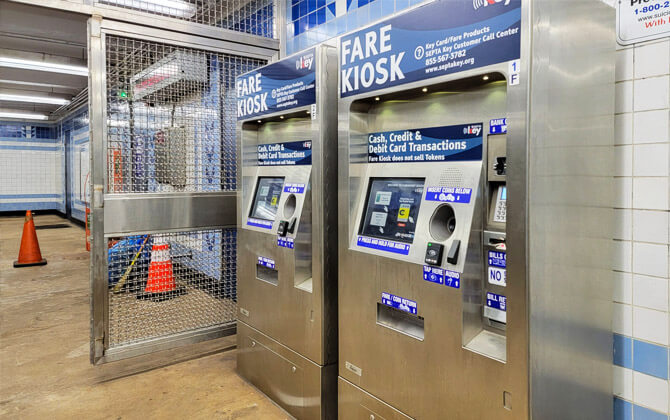
SEPTA accepts contactless payment with a credit card, debit card, or mobile wallet on bus, Metro, and Regional Rail services. SEPTA Key is a reloadable contactless card that can hold Travel Wallet funds and daily, weekly, or monthly passes.
The SEPTA Key Card costs US$4.95. The fee is refunded to your Travel Wallet if the card is registered within 30 days of purchase. Riders can register at septakey.org or by phone at 855-567-3782.
With SEPTA Key or contactless payment, free transfers are available when the transfer is made within 2 hours of the first tap. Cash and Quick Trip users are not eligible for free transfers. Use the same card for every segment to receive the transfer benefit.
- Children under 12 ride free when traveling with a fare-paying adult.
- Senior citizens age 65 and older ride free with a valid SEPTA Senior Fare Card on Regional Rail within Pennsylvania.
- Tap off at your destination on Regional Rail to avoid paying the maximum fare.
- Multi-Rider allows up to 5 passengers traveling together to pay with one SEPTA Key Card or one contactless payment card.
Regional Rail Fare Zones
Chestnut Hill East Line stations are assigned to Regional Rail fare zones based on distance from Center City. Temple University is in Zone C, Wayne Junction is in Zone 1, and Chestnut Hill East is in Zone 2.
| Station | Details |
|---|---|
| Zone 1 | Fare listed in the source: US$3.75 |
| Zone 2 | Fare listed in the source: US$5.25 |
| Zone 3 | Fare listed in the source: US$6.75 |
| Zone 4 | Fare listed in the source: US$8.25 |
Fares must be purchased before boarding. SEPTA Key Cards can be loaded with Travel Wallet funds or a valid pass product, and cash is not accepted at entry gates.
During a service interruption, Weekly and Monthly TransPasses loaded on SEPTA Key Cards are valid for travel to all Regional Rail stations within the City of Philadelphia except Forest Hills and Somerton.
SEPTA Key, Contactless Payment, Quick Trip, and Cash
SEPTA Key is a reloadable chip card for passes and Travel Wallet funds. You can buy a card at fare kiosks or select retail locations, then reload it at kiosks, online, or through the SEPTA app.
Contactless payment works with credit cards, debit cards, and mobile wallets such as Apple Pay, Google Pay, and Samsung Pay. It is available on bus, Metro, and Regional Rail, though not for travel to or from New Jersey.
Quick Trip tickets are single-ride tickets available from fare kiosks for Metro services, including the Market-Frankford Line, Broad Street Line, Trolleys, and the Norristown High Speed Line. They are valid on the day of purchase until 2 AM the next day and do not include free transfers.
For inbound Regional Rail trips toward Center City, customers may buy a Quick Trip from conductors aboard trains using cash or bankcards. For outbound trips from Center City, customers without a fare must purchase a Quick Trip from a fare kiosk or sales office.
SEPTA accepts cash for travel on its services. Exact fare is required for transit trips.
Passes, Discounts, and Free-Ride Programs
SEPTA Key can store daily, weekly, and monthly passes. A day pass or longer pass can make sense if your trip includes multiple rides across the SEPTA system.
Chestnut Hill students in the School of Undergraduate Studies may be eligible for discounted tickets through the Fall in Love with Philly Discounted Ticketing Program. A valid CHC ID is required, tickets are sold first come, first served, and quantities are limited.
Offers listed in the source include SEPTA Independence Pass for US$5 and SEPTA Train Tickets for US$2, along with discounted admission or tickets for several Philadelphia-area attractions.
For parade-day travel, SEPTA offered free rides on the two subway lines through Independence Blue Cross and sold a special discounted Independence Pass for US$10 in limited numbers. Regional Rail customers needed an accepted pass or pre-purchased senior or reduced fare ticket for that service plan.
Connections and Transfers
The Chestnut Hill East Line connects with SEPTA Regional Rail, SEPTA Metro, bus routes, Amtrak, and NJ Transit through key transfer points. For local transport, bus links are available at several stations along the line.
At Chestnut Hill East, riders can connect with SEPTA City Bus Route 51 and SEPTA Suburban Bus Route 94. Temple University offers Regional Rail connections across the system, while Wayne Junction is especially useful during service disruptions.
| Station | Details |
|---|---|
| Temple University | Regional Rail connections on all lines; SEPTA City Bus routes 3, 23, and 47. |
| Wayne Junction | Regional Rail connection point; SEPTA City Bus routes 2, 23, 53, and 75. |
| Wister | SEPTA City Bus route 41. |
| Germantown | SEPTA City Bus routes 26, 41, and K. |
| Washington Lane | SEPTA City Bus route 81. |
| Stenton | SEPTA City Bus route 18. |
| Sedgwick | SEPTA City Bus route 71. |
| Wyndmoor | SEPTA City Bus route 77. |
| Gravers | SEPTA City Bus route 51. |
| Chestnut Hill East | SEPTA City Bus route 51 and SEPTA Suburban Bus route 94. |
Transfers in Center City Philadelphia
Until 1984, Chestnut Hill East trains used the Reading Viaduct to reach Spring Garden Street and Reading Terminal. After the Center City Commuter Connection opened, service was rerouted through Center City and onto the ex-Pennsylvania Railroad side of the system.
As of 2026, most weekday trains continue through Center City to the Airport Line, while weekend trains continue to the Wilmington/Newark Line. In limited-service conditions, riders traveling between Chestnut Hill East and Center City may need to transfer at Wayne Junction.
| Station | Details |
|---|---|
| Temple University | Regional Rail connections on all lines and SEPTA City Bus routes 3, 23, and 47. |
| Jefferson Station | Center City Regional Rail transfer station. |
| Suburban Station | Center City Regional Rail transfer station. |
| 30th Street | Regional Rail, Amtrak, NJ Transit, and SEPTA Metro connections nearby. |
| Wayne Junction | Transfer point used during limited Chestnut Hill East Line service. |
Connections to SEPTA Metro, Bus, Amtrak, and NJ Transit
Several Chestnut Hill East Line stations connect to SEPTA bus routes. Route 23 is a useful bus option for direct travel toward Center City during disruptions, and Route 51 serves Chestnut Hill East and Gravers.
Wayne Junction can help riders connect when Chestnut Hill East service is unavailable. The Fox Chase, Lansdale/Doylestown, and Warminster lines provide service to and from Wayne Junction.
Amtrak and NJ Transit connections are available at 30th Street Station. The station connects with Amtrak Keystone Corridor and Northeast Corridor service, NJ Transit’s Atlantic City Line, and SEPTA Metro service nearby at Drexel Station at 30th Street.
Alternative Routes During Service Disruptions
During service disruptions, SEPTA has directed riders to use the Chestnut Hill West Line, Route 23 bus service, Route 18 bus service, or Regional Rail connections at Wayne Junction.
One disruption notice stated that Chestnut Hill East Line service remained suspended until Monday, September 8 at 5 AM, with no trains operating on the line. To accommodate riders, the Chestnut Hill West Line continued extra weekday peak service, with two additional inbound trains in the morning and two additional outbound trains in the evening.
Route 23 provides access toward Center City, while Route 18 may work for riders who do not need direct Center City service. For trips beyond Wayne Junction, riders can combine the Chestnut Hill West Line with SEPTA Metro service and a bus connection.
Bus detours listed in the source included Route 18, Route 53, Route 71, and Route 71 Express until 5 AM on Monday, September 8.
Airport Connections
As of 2026, most weekday Chestnut Hill East Line trains continue through Center City to the Airport Line. That through service gives riders a direct public transport link to Philadelphia International Airport on those trains, without changing trains in Center City.
The Airport Line terminates at Philadelphia International Airport and serves four stations directly connected to the terminals by escalators and elevators. Weekend Chestnut Hill East Line trains, by contrast, continue to the Wilmington/Newark Line.
| Station | Details |
|---|---|
| Airport Line | Terminates at Philadelphia International Airport and serves four terminal-connected stations. |
| Chestnut Hill East Line | Most weekday trains continue through Center City to the Airport Line as of 2026. |
| Center City | Used for connections when a direct through train is not available. |
Getting to Philadelphia International Airport
From Chestnut Hill, the rail option listed in the source uses Chestnut Hill West to 30th Street Station, then the Airport Line to Airport Terminal A. The trip takes about 1 hour and 7 minutes.
Driving from Chestnut Hill to Philadelphia International Airport is about 17.5 to 18 miles (28.2 to 29.0 km) and usually takes around 36 minutes. The estimated driving cost is US$3 to US$5.
Bus options are available but require transfers and take longer. One bus-and-train option takes about 1 hour and 55 minutes, while a multi-bus trip can take about 2 hours and 27 minutes.
Taxis and town cars take about the same time as driving, around 36 minutes. A taxi typically costs US$50 to US$65, while a town car is estimated at US$110 to US$160.
- Train: about 1 hour 7 minutes via 30th Street Station
- Drive: about 36 minutes, 17.5 to 18 miles (28.2 to 29.0 km), estimated cost US$3 to US$5
- Bus and train: about 1 hour 55 minutes
- Bus with multiple transfers: about 2 hours 27 minutes
- Taxi: about 36 minutes, estimated price US$50 to US$65
- Town car: about 36 minutes, estimated price US$110 to US$160
The Airport Line runs daily between Center City and the airport, with service every 30 minutes from about 5:00 AM to midnight.
How to Ride the Chestnut Hill East Line
Start by checking the current train schedule, route map, stations map, and service alerts. The Chestnut Hill East Line has 14 stops, and all are within Philadelphia.
If you are traveling toward Center City, check whether your train runs through to your destination or requires a transfer. In normal service, riders can use the line for Center City trips, and on most weekdays as of 2026, many trains continue to the Airport Line.
Before boarding, have your SEPTA Key, contactless card, pass, ticket, or accepted fare ready. On Regional Rail, tap off at your destination when required so you do not pay the maximum fare.
Use the Transit app or SEPTA trip tools to view real-time departures, future opening hours, closing time, and the last train. If you are not sure where to board, use the map to find the closest stop.
| Service detail | Timings |
|---|---|
| Chestnut Hill East to 30th Street example | 3:08 PM to 3:52 PM, about 44 minutes |
| Suburban Station to Chestnut Hill East example | About 42 minutes |
| Weekday service | 5:53 AM to 11:52 PM, about every 36 to 67 minutes |
| Weekend service | 5:15 AM to 11:20 PM, about every 120 to 121 minutes |
Accessibility, Parking, and Station Amenities
Chestnut Hill East Station has been undergoing a major renovation since January 2025, with completion scheduled for summer or fall 2026. The project is designed to improve station infrastructure, parking lots, and accessibility.
Work includes an ADA-accessible platform, a new railroad track, ADA-compliant restrooms, a new fire alarm system, updated lighting, building repairs, new roofing, and replacement curbs and sidewalks near the station.
During construction, station parking is limited. Only 10 parking spaces, including 1 ADA space, are currently available in the project update, and overnight parking is not allowed until construction is complete.
A stormwater management system has been installed in the south parking lot to reduce runoff and flooding. Construction noise and flood lighting may occur during normal work hours, generally 7 AM to 7 PM Monday through Friday, with occasional work outside those hours.
During related street work, East Chestnut Hill Avenue may have temporary closures and no-parking restrictions. Pedestrian access is expected to be maintained, and bus service should operate normally unless road conditions make that unsafe.
Rules, Safety, and Rider Etiquette
The Chestnut Hill East Line is part of Philadelphia public transportation, and a few simple habits make the trip safer and easier. Plan ahead, know your route, and check the schedule before leaving.
When boarding or exiting, watch your step and never run for the train. Let passengers exit before you board, then move away from the doors when possible.
While waiting, listen for announcements and follow posted instructions. In the evening, stay in well-lit areas and near other riders when you can.
Onboard, keep calls quiet, use headphones, hold on when standing, and keep bags off seats when the train is busy. Offer your seat to elderly riders, disabled passengers, or anyone who may need it more.
- Check your route, timetable, and transfers before traveling.
- Do not try to board after the doors begin to close.
- Let others exit first.
- Stay alert at stations and onboard.
- Keep aisles and seats clear for other riders.
- Use a calm, courteous volume on the train.
Chestnut Hill East vs Chestnut Hill West
Chestnut Hill East and Chestnut Hill West both serve Chestnut Hill in Northwest Philadelphia. They connect the neighborhood with Center City, but they follow different paths and serve different station areas.
Chestnut Hill East serves Germantown, Mount Airy, and Chestnut Hill on a fully grade-separated route. Chestnut Hill West also serves Chestnut Hill, West Mount Airy, and Germantown, reaching Center City through Temple University, the Center City Commuter Connection, 30th Street Station, and the Northeast Corridor before branching to its terminal.
For many riders, the better line depends less on the train itself and more on the walk to the station. Some stops are close to Germantown Avenue shops and restaurants, while others feel more residential and leafy.
- Choose Chestnut Hill East if its stations line up better with your home, job, or Germantown Avenue plans.
- Choose Chestnut Hill West if its station locations work better for your walk or backup route.
- Compare the schedule today, frequency, and transfer needs before deciding.
Which Line Is Better for Your Trip?
If your destination is Chestnut Hill East station, the CHE train is the direct rail choice. It serves Chestnut Hill East daily, with 14 stations and a full-route running time of about 42 to 44 minutes.
Nearby bus lines mentioned in the source include 23, 77, L, 94, and 97. For short local connections to or from the station, those bus routes may be useful depending on your exact stop.
For this destination, choose CHE for the direct path train. Use nearby bus service if you need to bridge the last part of the trip.
Using Both Lines as Backup Options
The Chestnut Hill East Line and Chestnut Hill West Line can sometimes work as backups for each other. That is especially helpful during construction, bridge work, or unexpected service changes.
During planned work on Chestnut Hill East, SEPTA has advised riders to use the Chestnut Hill West Line for trips between Chestnut Hill and Center City. Some bus routes also serve areas near Chestnut Hill East stops.
If Chestnut Hill East service is unavailable, the Fox Chase, Lansdale/Doylestown, and Warminster lines can help riders reach Wayne Junction. From there, passengers may need to combine Regional Rail, SEPTA Metro, and bus service.
Brief History
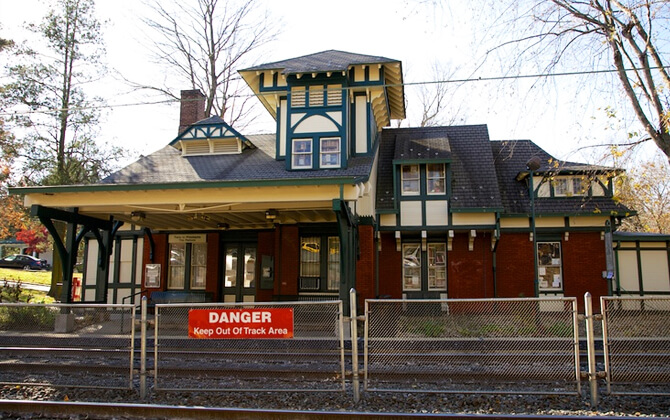
The Chestnut Hill East Line follows the former Chestnut Hill East Branch of the Reading system. Its oldest section opened in 1832, when the Philadelphia, Germantown and Norristown Railroad began service between Philadelphia and Germantown.
The extension to Chestnut Hill opened on December 1, 1854. The Reading Company leased the line in 1870 and later developed it as a suburban commuter route.
Electrified service began on February 5, 1933. Until 1984, trains used the Reading Viaduct to reach Reading Terminal; after the Center City Commuter Connection opened, trains were routed through Center City.
Under SEPTA’s former naming system, the route was designated R7 Chestnut Hill East and continued through to the Trenton Line. The R-number system was dropped on July 25, 2010. SEPTA activated positive train control on the line on July 25, 2016.
Service was suspended on April 9, 2020, during the COVID-19 pandemic, while Temple University and Wayne Junction continued to be served by other rail services. Service resumed on June 28, 2020.
Current Projects and Service Changes
SEPTA began renovating Chestnut Hill East Station in January 2025, with completion scheduled for summer or fall 2026. The project includes station accessibility, infrastructure, parking, and building improvements.
Work includes an ADA-accessible platform, a new railroad track, ADA-compliant restrooms, a new fire alarm system, updated lighting, building repairs, new roofing, and curb and sidewalk replacement near 100 East Chestnut Hill Avenue.
The south parking lot stormwater system is designed to hold more than 80,000 gallons of stormwater to help reduce runoff and flooding. Crews have also worked on foundations for the new high-level platform, restoration of the existing steel canopy structure, catenary structures, and the new platform.
Normal construction hours are 7 AM to 7 PM Monday through Friday, though occasional work outside those hours may be needed. Riders should expect some construction noise and flood lighting.
From March 17 through April 25, 2025, tie replacement between Stenton Station and Chestnut Hill East Station reduced weekday service to every 2 hours from 9 AM to 4 PM. The line operated on a single track, and SEPTA advised riders to use the Chestnut Hill West Line or Bus Route 23.
From June 15 through September 2, 2025, Chestnut Hill East Regional Rail service was temporarily out of service for bridge repairs at five locations. During that outage, no trains operated on the line, and riders were directed to the Chestnut Hill West Line and Route 23 for direct service to Center City.
From Monday, June 29, 2026, through Wednesday, July 1, 2026, East Chestnut Hill Avenue is listed for closure from 7 AM to 3 PM between Bethlehem Pike and Summit Avenue for paving and line striping. A no-parking restriction is listed for the work period, with pedestrian access maintained.
Nearby Attractions and Useful Stops
The Chestnut Hill East Line is useful for reaching Northwest Philadelphia neighborhoods, local shopping areas, parks, dining, and cultural sites. Temple University and Wayne Junction are important transfer stops, while Germantown, Mount Airy, Wyndmoor, Gravers, and Chestnut Hill East are practical for neighborhood trips.
Chestnut Hill is known for historic mansions, Victorian homes, scenic streets, small boutiques, outdoor dining, and a Garden District feel along Germantown Avenue.
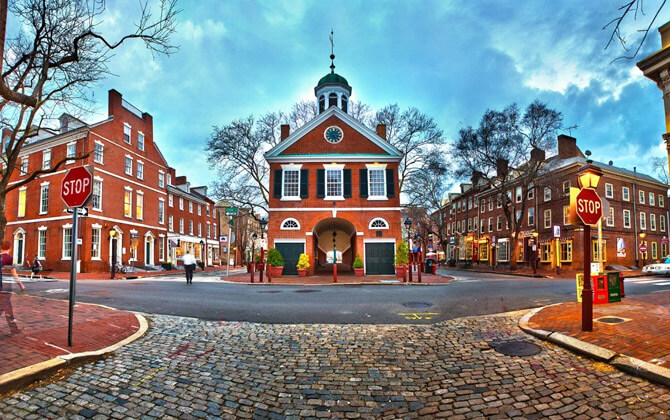
Chestnut Hill and Germantown Avenue
Chestnut Hill East Station is a practical stop for Germantown Avenue. The station is located at 100 East Chestnut Hill Avenue, with a short walk west toward the avenue.
Gravers Station can also be useful for reaching areas near Germantown Avenue. SEPTA bus routes 23, 77, 94, 134, and L serve the neighborhood and can help with the final part of a trip.
Germantown and Mount Airy Stops
In Germantown, the line serves Germantown station, which connects with SEPTA City Bus routes 26, 41, and K. Washington Lane is nearby on the same section and connects with bus route 81.
In the Mount Airy area, the route serves Stenton, Gorgas, Sedgwick, and Mount Airy. Stenton connects with bus route 18, while Sedgwick connects with route 71.
These stations are useful for residential neighborhoods and local destinations between Wister and Chestnut Hill.
Parks, Shopping, Dining, and Cultural Sites
Chestnut Hill is known as Philadelphia’s Garden District, with parks, shops, restaurants, and cultural venues near the rail line. Germantown Avenue is the main shopping corridor, with independent boutiques, food stops, and everyday services.
Local arts and culture highlights include The Stagecrafters Theater, Woodmere Art Museum, Gravers Lane Gallery, NoName Gallery, and Moondance Farm Studios. Events mentioned in the source include the Home + Garden Festival, Fall for the Arts Festival, Stag + Doe nights in December, and the Arts & Eats series.
Nearby green spaces include Morris Arboretum & Gardens, Pastorius Park, and Wissahickon Valley Park. Morris Arboretum is a 92-acre garden space reachable from the Chestnut Hill area by SEPTA rail and local bus service.
Dining and shopping mentions include Market at the Fareway, McNally’s Tavern, Baker Street Bread Co. Cafe & Bakery, Adelinas Restaurant & Bar, Cake, Bredenbeck Bakery, CinCin Restaurant, Cider Belly Hard Cider, Chestnut Hill Farmers’ Market, Evergreen Cheese, Greene Street, William A. Kilian Hardware Co., Occasionette, El Quetzal, Villavillekula, Hideway Music, EMBER, and Multiverse.