The Amtrak California Zephyr is a long-distance passenger train connecting Chicago with the San Francisco Bay Area at Emeryville. The route runs through Omaha, Denver, Salt Lake City, Reno, and Sacramento, covering 2,438 miles (3,923 km) in about 52.5 hours. It is Amtrak’s longest daily service and one of its most scenic routes, with views of the Rocky Mountains, Glenwood Canyon, the Sierra Nevada, Donner Lake, San Pablo Bay, and the Carquinez Strait.
| Key | Information |
|---|---|
| Service type | Long-distance Amtrak train and intercity public transport route |
| Main route | Chicago Union Station to Emeryville, with Amtrak Thruway bus service to San Francisco |
| Distance | 2,438 miles (3,923 km) |
| Typical running time | About 52.5 hours |
| Frequency | One train daily in each direction |
| Train numbers | Westbound train 5 and eastbound train 6 |
| States served | Illinois, Iowa, Nebraska, Colorado, Utah, Nevada, and California |
| Stations | 37 stations across the route |
| Modern service launched | July 1983 |
Amtrak California Zephyr Map
The Amtrak California Zephyr map shows all available stops. Click on the map to enlarge it or download the Amtrak California Zephyr map in PDF format.
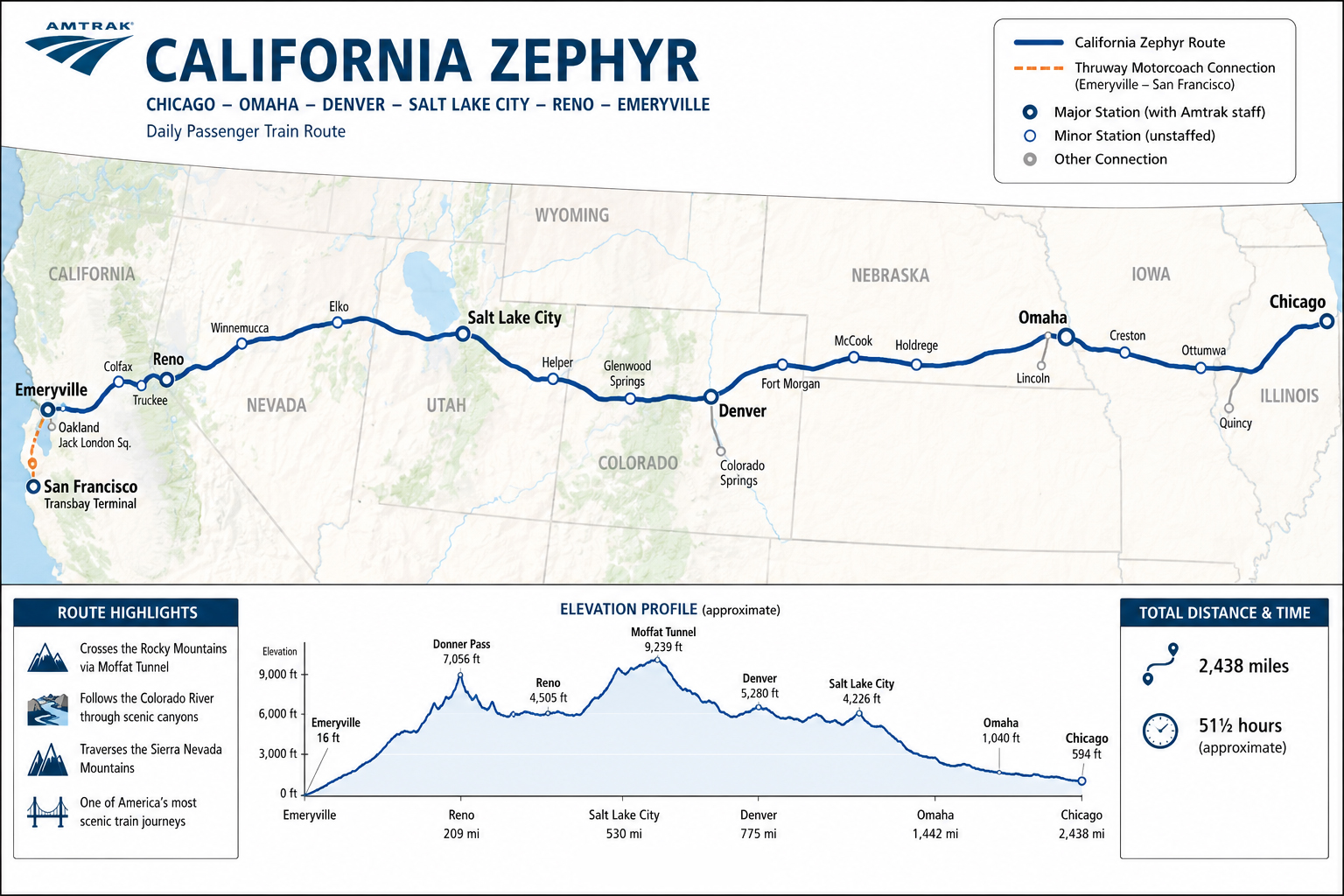
Stations and Major Stops
The California Zephyr stations list stretches from Chicago to Emeryville, with Amtrak Thruway service continuing to San Francisco. Major stops include Chicago Union Station, Denver Union Station, Salt Lake City, Reno, Sacramento Valley Station, and Emeryville. For trip planning, use this list together with a stations map or route plan so you can see where transfers and stopovers make the most sense.
Full Station List
The full station list below follows the westbound route order from Chicago to Emeryville. Eastbound trains serve the same stations in reverse order.
| Station | Details |
|---|---|
| Chicago, IL – Union Station (CHI) | Eastern terminus and major boarding point |
| Naperville, IL (NPV) | Illinois stop west of Chicago |
| Princeton, IL (PCT) | Illinois station on the route |
| Galesburg, IL (GBB) | Notable Illinois stop |
| Burlington, IA (BRL) | Iowa station |
| Mt. Pleasant, IA (MTP) | Iowa station |
| Ottumwa, IA (OTM) | Iowa station |
| Osceola, IA (OSC) | Iowa station |
| Creston, IA (CRN) | Iowa station |
| Omaha, NE (OMA) | Major Nebraska stop |
| Lincoln, NE (LNK) | Nebraska stop |
| Hastings, NE (HAS) | Nebraska station |
| Holdrege, NE (HLD) | Nebraska station |
| McCook, NE (MCK) | Nebraska station |
| Fort Morgan, CO (FMG) | Colorado station before Denver |
| Denver, CO – Union Station (DEN) | Major boarding, transfer, and scenic-route gateway |
| Fraser-Winter Park, CO (WIP) | Stop for Winter Park and mountain activities |
| Granby, CO (GRA) | Colorado mountain-area station |
| Glenwood Springs, CO (GSC) | Popular scenic and hot-springs stop |
| Grand Junction, CO (GJT) | Western Colorado stop |
| Green River, UT (GRI) | Utah station |
| Helper, UT (HER) | Utah station |
| Provo, UT (PRO) | Utah station south of Salt Lake City |
| Salt Lake City, UT – Amtrak Station (SLC) | Major Utah stop |
| Elko, NV (ELK) | Nevada station |
| Winnemucca, NV (WNN) | Nevada station |
| Reno, NV (RNO) | Major Nevada stop |
| Truckee, CA (TRU) | California stop serving the Lake Tahoe area |
| Colfax, CA (COX) | California station |
| Roseville, CA (RSV) | California station |
| Sacramento, CA – Sacramento Valley Station (SAC) | Major California transfer point |
| Davis, CA (DAV) | California station |
| Martinez, CA (MTZ) | Bay Area regional stop |
| Emeryville, CA (EMY) | Western terminus with bus connection to San Francisco |
Major Boarding and Transfer Stations
These stations are the most useful reference points for boarding, transfers, local transport, and planning a multi-city trip on the California Zephyr.
| Station | Details |
|---|---|
| Chicago, IL – Union Station (CHI) | Eastern endpoint and key long-distance rail hub |
| Denver, CO – Union Station (DEN) | Major transfer station and gateway to the Rocky Mountain section |
| Salt Lake City, UT – Amtrak Station (SLC) | Main Utah stop on the route |
| Sacramento, CA – Sacramento Valley Station (SAC) | Important California station with wider rail and bus connections |
| Emeryville, CA (EMY) | Western endpoint, with Amtrak Thruway service to San Francisco |
Route Overview
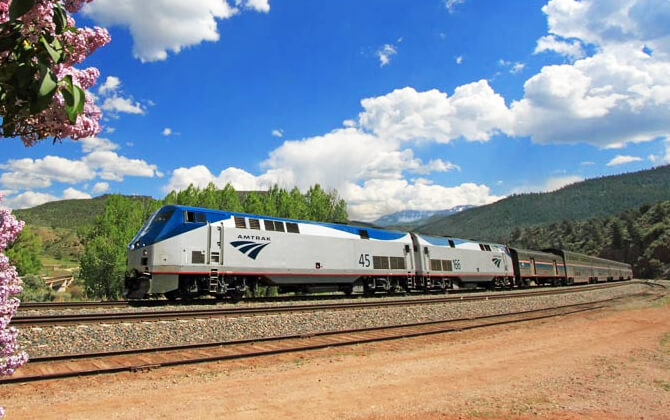
The California Zephyr route links Chicago and the San Francisco Bay Area, ending at Emeryville. It runs through seven states and covers 2,438 miles (3,923 km), making it the longest daily Amtrak route. The route is especially known for daylight scenery through the Rocky Mountains and the Sierra Nevada.
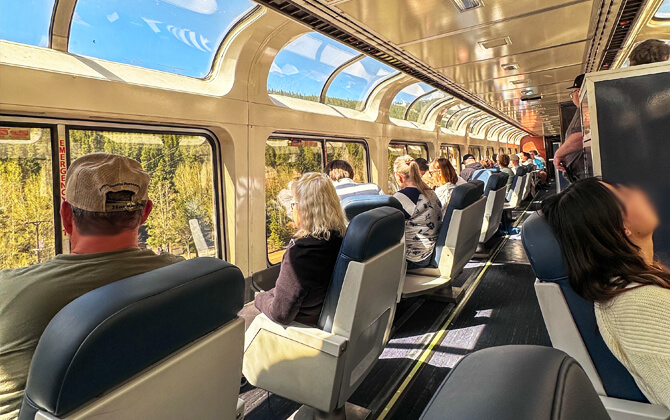
On board, passengers can use coach seating, sleeper cars, a dining car, a cafe, and the Sightseer Lounge. Many travelers prefer the westbound direction for the views, especially through Colorado and into Northern California.
Main Route: Chicago to Emeryville / San Francisco Bay Area
Westbound California Zephyr train 5 begins at Chicago Union Station and travels through Illinois, Iowa, and Nebraska before reaching Denver. From there, the train crosses the Rockies, passes through the Moffat Tunnel, follows dramatic canyon scenery, and continues toward Utah, Nevada, and California.
From Salt Lake City to Emeryville, the route loosely follows Interstate 80. It passes the south shore of the Great Salt Lake, the Bonneville Salt Flats, the Humboldt River corridor, Reno, the Truckee River, Donner Lake, and Donner Pass before descending toward Sacramento and the Bay Area.
In California, the train serves Sacramento, Davis, Martinez, and Emeryville. Richmond is noted for BART connections to Berkeley and Oakland, while Emeryville links passengers to San Francisco by Amtrak Thruway bus. In short, it is a long-distance route with a clear path, train numbers in both directions, and several practical transfer points.
- Chicago to Emeryville, with connecting bus service to San Francisco
- Daily service in both directions
- About 52 hours and 57 minutes for the full trip
- Major scenic areas include the Rocky Mountains, Glenwood Canyon, Donner Lake, and the Sierra Nevada
- Major stops include Omaha, Denver, Salt Lake City, Reno, Sacramento, Davis, and Emeryville
Schedule and Frequency
The California Zephyr schedule is simple but limited: one westbound train and one eastbound train operate daily. Because frequency is only one train per direction per day, missing your departure usually means waiting until the next day. Always check the train schedule, schedule today, and timings today before heading to the station.
For this route, operating hours, opening hours, opening times, and working hours are best understood through the train timetable rather than a metro-style service window. The route timetable can shift, and long-distance trains may experience delays, so leave extra time for flights, buses, or other transportation after arrival.
| Service detail | Timings |
|---|---|
| Frequency | One train daily in each direction |
| Typical full-trip running time | About 52 hours, or two nights on board |
| Chicago pattern | Departures and arrivals are generally in the afternoon |
| Westbound Bay Area arrival | Typically late afternoon at the western end of the route |
| Denver westbound departure | Morning timing, useful for daylight mountain views |
| Last train and closing time note | With only one daily train each way, the daily departure effectively functions as the last train for that direction |
Daily Service and Typical Trip Duration
As of 2024, the California Zephyr runs daily in both directions. The full journey usually takes about 52 hours, with passengers spending two nights on the train and arriving on the third day.
The route had temporary service reductions during the COVID-19 pandemic, but daily service resumed in June 2022. For the most accurate departure time, arrival time, and closing time details for boarding, check Amtrak’s current timetable before travel.
Tickets, Fares, and Booking
California Zephyr tickets are available for coach seats and private rooms. Coach is the lowest-cost option, while sleeper rooms cost more and include a bed plus water, coffee, and meals. Room options mentioned for this train include roomettes, family bedrooms, accessible bedrooms, and standard bedrooms.
The fare depends on distance, demand, booking date, season, and day of the week. Booking about six months ahead is recommended for better prices. Summer, holidays, and weekends are usually more expensive, while April, September, October, and November often bring lower fares and fewer snow-related delays.
| Ticket type | One-way cost |
|---|---|
| Coach | USD $200-$450 |
| Roomette | USD $1,400-$1,700, or about USD $800 in winter |
| Family Bedroom | USD $2,200-$2,500 |
| Bedroom | USD $2,600-$3,800, or about USD $1,500 in winter |
You can buy a ticket through Amtrak.com or the Amtrak app. Use the origin and destination fields, then compare dates with Find Trains; it works like a practical fare calculator when you want to check price changes across different departure days.
Coach Tickets
Coach tickets are the most affordable way to ride the California Zephyr. Seats partially recline, but you sleep in your seat, so comfort planning matters on the full two-night trip. Coach cars are usually toward the front of the train, where the horn may be louder at night.
If keeping the ticket price down is the priority, coach is the natural choice. Bring earplugs, an eye mask, snacks, and easy-to-reach essentials. For more privacy and a real bed, a private room may be worth the higher cost.
USA Rail Pass and Multi-Stop Trips
The USA Rail Pass is useful if you want to visit several cities along the California Zephyr route rather than travel straight through. It includes 10 segments over 30 days and uses a single discounted fare. Before boarding, passengers must confirm each intended trip with Amtrak RideReserve.
Amtrak also offers a Multi-Ride Pass for repeated travel between two destinations, with monthly, 10-ride, and 6-ride options. The California Rail Pass covers up to 7 days of travel within a 21-day period in California, but it is not valid on the California Zephyr.
Connections with Other Transit Systems
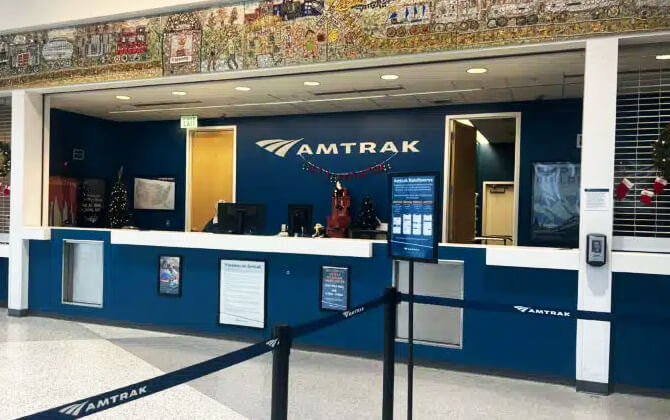
The California Zephyr connects with other transport systems along the route, including Amtrak Thruway buses, local transit, and regional rail services. In California, the route links with the wider intercity rail network at stations such as Sacramento, Martinez, and Emeryville.
Emeryville is the train’s western terminus, and Amtrak Thruway bus service connects passengers with San Francisco. The route also gives access to major city transport and local transport options in places such as Chicago, Denver, Salt Lake City, Reno, Sacramento, Davis, and Emeryville.
Amtrak Thruway and Connecting Bus Services
Amtrak Thruway and connecting bus services extend the California Zephyr beyond the rail line. At Emeryville, passengers can continue to San Francisco by Amtrak Thruway bus. Along the corridor, connections are available at stations including Salt Lake City, Reno, Truckee, Colfax, Roseville, Sacramento, Davis, Martinez, and Emeryville.
Connecting buses are designed to serve communities without direct train service and to support guaranteed Amtrak connections. In California, tickets for connecting bus services are sold only as part of the rail trip.
- Travel to San Francisco via Amtrak Thruway from Emeryville
- Connect with local transit in Salt Lake City, Reno, Sacramento, Davis, Emeryville, and other cities
- Use Amtrak Connection buses for destinations such as Yosemite, Monterey, Santa Cruz, Barstow, Palm Springs, and Palm Desert
- Examples mentioned in service materials include Sacramento to Sparks, Roseville to Sacramento, Stockton to Davis, and Santa Barbara to Oakland
Airport Connections Near Key Stops
If you plan to fly before or after the train, the route materials point to Chicago and Denver airports, plus Oakland or Sacramento in California, as practical airport choices. Sacramento is also mentioned as an alternate place to start or finish the trip, with Sacramento International Airport a short drive from the station.
| Station | Details |
|---|---|
| Chicago, IL – Union Station (CHI) | Recommended for flight connections at the eastern end of the trip |
| Denver, CO – Union Station (DEN) | Recommended for flight connections in the central part of the route |
| Sacramento, CA – Sacramento Valley Station (SAC) | Useful alternate start or end point, with Sacramento International Airport a short drive away |
| Emeryville, CA (EMY) | Western endpoint near San Francisco; Oakland is also mentioned as a useful California airport option |
Tips and Rules
A California Zephyr trip is long, so prepare for comfort as much as transportation. Pack light, keep essentials close, and leave plenty of time after arrival before any connecting flight, bus, or other public transport service.
- Bring several activities for the full trip.
- Use the observation car for scenery and a change of pace.
- Consider a roomette if you want more privacy and better sleep.
- Pack earplugs or earbuds and an eye mask if you are a light sleeper.
- Bring snacks, cash for tips, a power strip or multi-plug, sandals for the shower, and clothes you can sleep in.
- Use station stops to stretch and get fresh air when allowed.
- Plan for delays, especially before connecting to another train, flight, or bus.
- Keep valuables with you when leaving a sleeper room.
- Storage space is limited, so avoid overpacking.
- Solo travel can be safe and rewarding when you stay aware and plan ahead.
Pet Policy
Amtrak allows small dogs and cats on eligible trips, but the California Zephyr’s length makes planning important. The combined weight of the pet and carrier must be 20 lbs or less, the pet must be at least eight weeks old, and the pet must be healthy enough to travel.
Pets must stay inside a soft or hard-sided carrier for the entire trip. The carrier must fit under the seat in coach class, and only one pet is allowed per customer. Pets are not allowed in sleeper cars, first class private rooms, food service cars, or station lounges. Service animals are not considered pets and are allowed on Amtrak services.
Pets are only permitted on trips of 7 hours or less. Since the California Zephyr route is far longer, passengers traveling with a pet may need to break the journey into shorter segments and plan layovers carefully.
Accessibility and Passenger Assistance
The Amtrak California Zephyr offers accessible seating, designated wheelchair spaces, and transfer seats for passengers who need extra room. Passengers may also remain seated in their wheelchairs in the wheelchair space.
Superliner Accessible Bedrooms are available on the lower level. These rooms are designed for two adults, including a passenger with mobility impairments and a companion. They include a private wheelchair-accessible toilet and sink, climate control, electrical outlets, large windows, two beds, towels, bed linens, and meal service. They do not include an in-room shower.
Passengers with disabilities and one traveling companion may be eligible for a 15% fare discount on travel in California. Accessible seating and sleeping accommodations should be booked in advance online, by phone, or through the Amtrak app. Passengers can also request assistance such as oxygen equipment support or boarding ramps.
Brief History
The original California Zephyr ran between Chicago and Oakland via Omaha, Denver, Salt Lake City, Winnemucca, Oroville, and Pleasanton. It was operated by the Chicago, Burlington & Quincy, the Denver & Rio Grande Western, and the Western Pacific railroads, and was introduced in March 1949 as “the most talked about train in America.” The schedule was planned so passengers could see the most dramatic scenery in daylight.
The original train stopped running in 1970. After Amtrak was created in 1971, the service went through naming and routing changes, including the San Francisco Zephyr. In 1983, the Denver & Rio Grande Western joined Amtrak, and the train was rerouted over the Moffat Subdivision between Denver and Salt Lake City.
After a mudslide at Thistle, Utah delayed the change, the new route took effect in July 1983, and Amtrak renamed the train California Zephyr. The modern service follows much of the original route east of Winnemucca, while west of there it uses the former City of San Francisco route to the Bay Area.
Future Changes and Service Updates
California Zephyr service updates can change, so check current notices before you travel. Amtrak has announced schedule changes effective September 19 and October 3, 2025. Alerts and advisories are used for disruptions, timetable changes, and other travel notices.
Onboard features can vary by train. Amenities mentioned for the California Zephyr include checked baggage service, seating and room accommodations, trainside checked bicycle service, Traditional Dining, and Cafe Service. Menu items and prices are updated regularly and may differ from what is available on board.
Amtrak has also noted future long-distance service plans. As of March 2025, the California Zephyr is expected to add a third coach in May and a third sleeper in June to help meet demand. Longer-term equipment plans include replacing P42DC locomotives with ALC-42 locomotives by 2027 and Superliner cars with new long-distance cars by 2032.
Nearby Attractions and Stopover Ideas
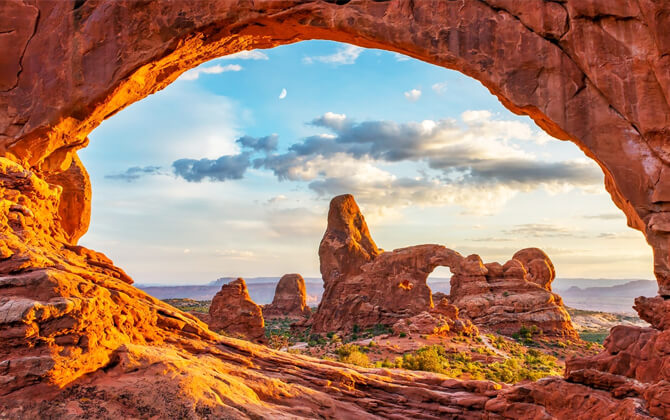
The California Zephyr works well as more than a point-to-point trip. With daily service and a long route, you can plan stopovers in major cities, mountain towns, and scenic areas, then continue the journey on a later train.
Chicago is a popular start or end point, with architecture, lakefront views, museums, food, and rail history. Popular ideas include the Skydeck at Willis Tower, Millennium Park, Lake Michigan, the Art Institute of Chicago, the Field Museum, the Adler Planetarium, architecture cruises, the Riverwalk, and the Magnificent Mile.
Denver is another strong stopover. Denver Union Station is useful for dining, shopping, and waiting between connections, while nearby options include Larimer Square, Commons Park, the South Platte River Trail, the Colorado State Capitol, the American Museum of Western Art, and the History Colorado Center. Denver also works as a base for outdoor trips toward Rocky Mountain National Park.
Glenwood Springs is ideal if you want a slower break. The town is known for hot springs, mountain views, and outdoor activities. Options mentioned include Glenwood Caverns Adventure Park, Glenwood Hot Springs Pool, Iron Mountains, Yampah Spa, Scout Trail, Doc Holliday’s grave at Linwood Cemetery, and Colorado River rafting.
Green River offers a quieter stop with history and a slower pace. It is also a starting point for rafting on the Green and Colorado rivers. One local oddity mentioned is the wooden watermelon near the Powell Museum.
Salt Lake City combines urban landmarks with nearby natural scenery. Stopover ideas include Temple Square, the Great Salt Lake, Clark Planetarium, the Museum of Illusions, the Natural History Museum of Utah, Big Cottonwood Canyon, and Red Butte Garden and Arboretum.
San Francisco is reached from Emeryville by Amtrak bus transportation. Classic sightseeing ideas include the Golden Gate Bridge, Fisherman’s Wharf, Chinatown, Ghirardelli Square, Pier 39, Golden Gate Park, Muir Woods, and a San Francisco Bay sunset cruise.
Other worthwhile stopover ideas include Omaha for railroad history, Grand Junction for a walkable downtown and access to Colorado National Monument, and the Fraser-Winter Park area for mountain activities.